Tuesday, January 28, 2014

Monday, January 13, 2014
The Miracle of Mindfulness: An Introduction to the Practice of Meditation
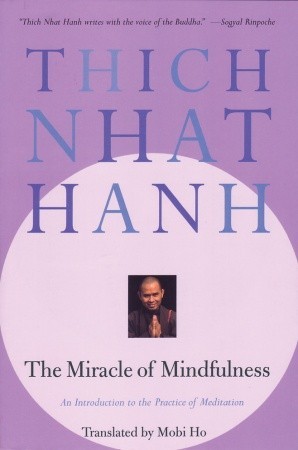
We will meet on Sunday, March 9 at The Book Shelf, pending Chris's OK. Please RSVP in the comment box or by e-mail so we can plan accordingly or change as needed.
Also, I want to suggest using the comment box for following up on the conversation -- for instance, if anyone wants to leave the name of books they mentioned (Juan?) or links to articles. I will put up a post from last night's book for that purpose, including a link to the Paris Review article.
As determined by a random coin toss performed by me just now, Greg Gaut will bring three selections to our next meeting for us to choose from for May. Our order of selection after that will be:
- Juan (July)
- Matt (September)
- Jim (November)
- Steve (January 2015)
- Jerry (March 2015)
- Chris (May 2015)
- Bob (July 2015)
- back to Greg
Sunday, January 12, 2014
Thank You, Jeeves
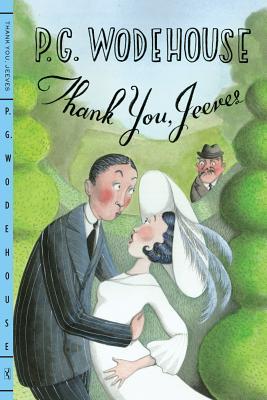
I mentioned Wodehouse's interview with The Paris Review:
I always feel the thing to go for is speed. Nothing puts the reader off more than a great slab of prose at the start. I think the success of every novel—if it’s a novel of action—depends on the high spots. The thing to do is to say to yourself, “Which are my big scenes?” and then get every drop of juice out of them. The principle I always go on in writing a novel is to think of the characters in terms of actors in a play. I say to myself, if a big name were playing this part, and if he found that after a strong first act he had practically nothing to do in the second act, he would walk out. Now, then, can I twist the story so as to give him plenty to do all the way through? I believe the only way a writer can keep himself up to the mark is by examining each story quite coldly before he starts writing it and asking himself if it is all right as a story. I mean, once you go saying to yourself, “This is a pretty weak plot as it stands, but I’m such a hell of a writer that my magic touch will make it okay,” you’re sunk. If they aren’t in interesting situations, characters can’t be major characters, not even if you have the rest of the troop talk their heads off about them.
Subscribe to:
Posts (Atom)